As part of the MONA project, the Parc naturel régional Scarpe-Escaut has implemented a series of nudges across several natural sites. Each intervention responds to a specific visitor behaviour that can put pressure on sensitive environments, while seeking to preserve a positive and enjoyable visitor experience.
The approach is based on a simple principle: rather than relying only on rules or information, can the environment itself encourage more sustainable choices ?
In Marchiennes Forest, Australian-style signs and a fake parking ticket have been installed to discourage parking on verges and redirect visitors towards existing car parks. The intervention uses salience and authority cues to make the desired behaviour more visible. As this site has already been presented in a previous MONA article, it provides a useful starting point for understanding the wider approach.
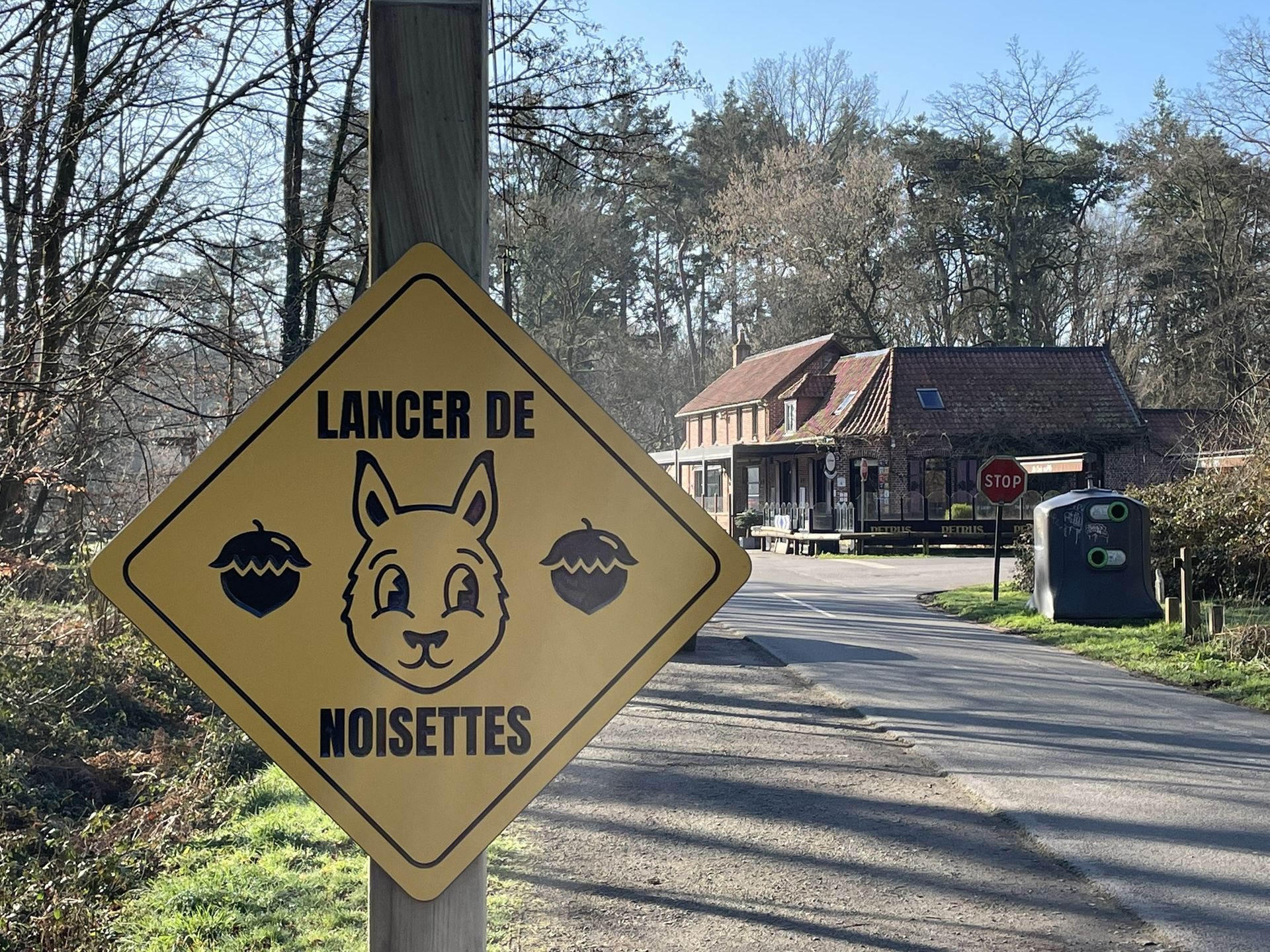
In Flines-lez-Mortagne Forest, the “Forêt du futur” panels encourage visitors to stay on designated paths, using social norms to make this behaviour feel natural. At the forest entrance, the collaborative “Bobo l’escargot” ground mural provides a highly visible landmark and helps visitors identify the single appropriate entrance, using salience and visual recognition.
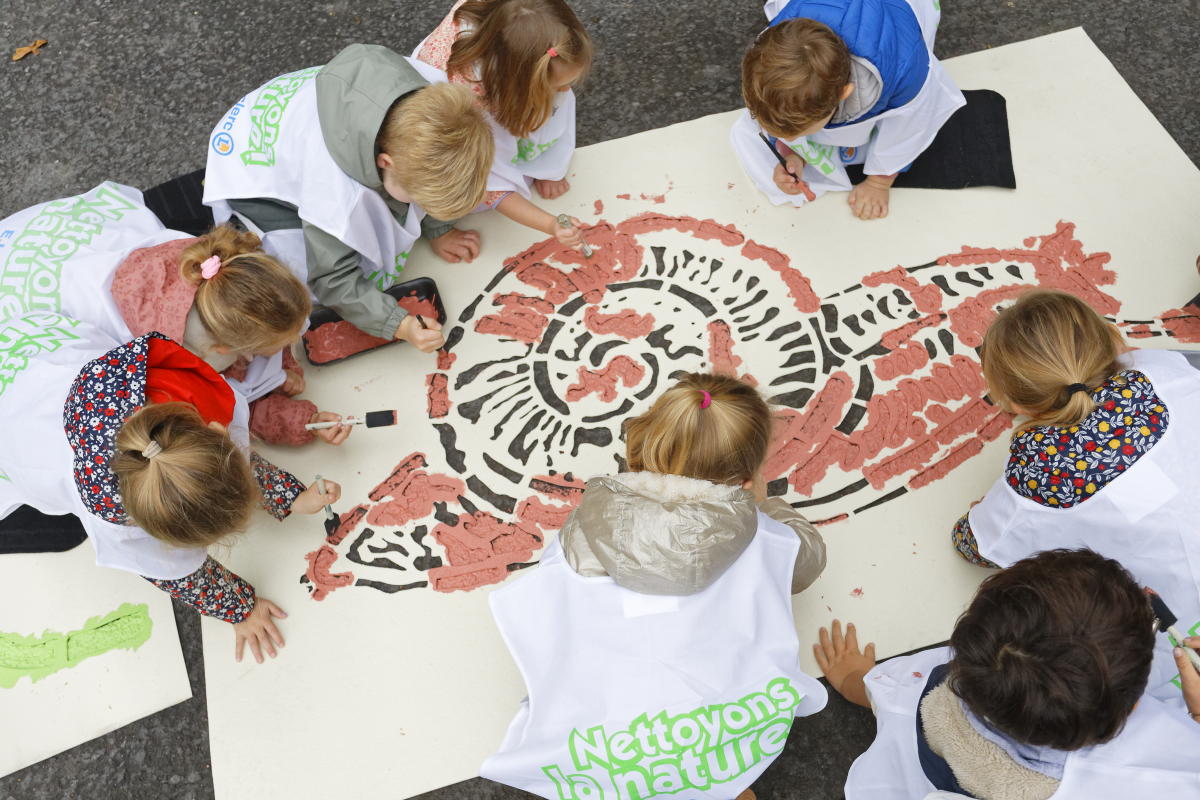 © d.delecourt
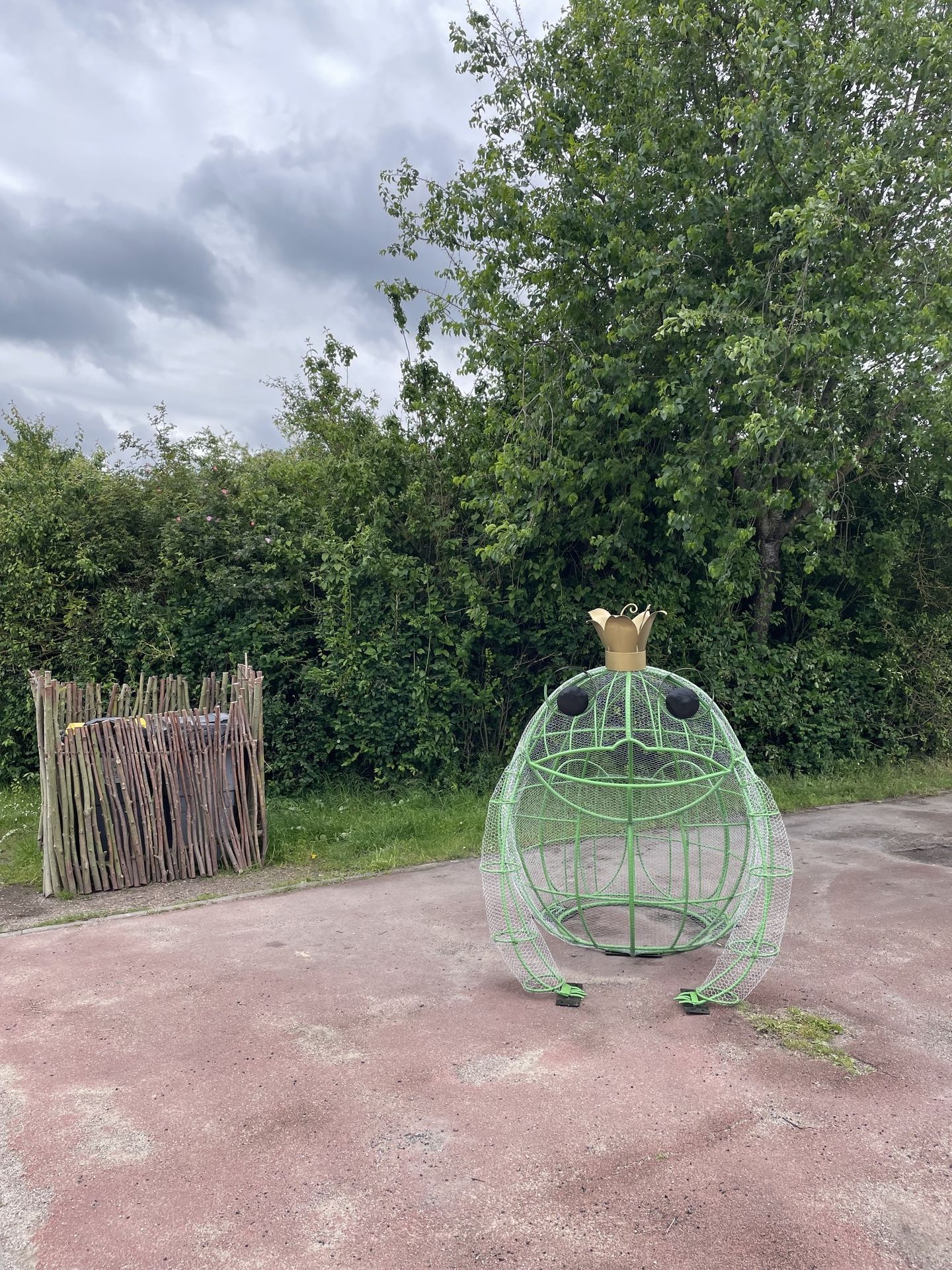
At Les Argales, a giant crapaud calamite waste collector makes litter disposal more playful, using positive framing and emotional association. A “head-through” panel encourages visitors to keep their dogs on a lead through social modelling and engagement.
At the Pont des Tourbières in Lallaing, a landscape mural helps visitors understand the surrounding landscape, connecting the Scarpe, nature and the Germignies Nord and Sud spoil heaps. A book-shaped panel tells the story of the two spoil heaps. Both interventions use curiosity and contextual framing to encourage visitors to look more closely at the landscape they are visiting.
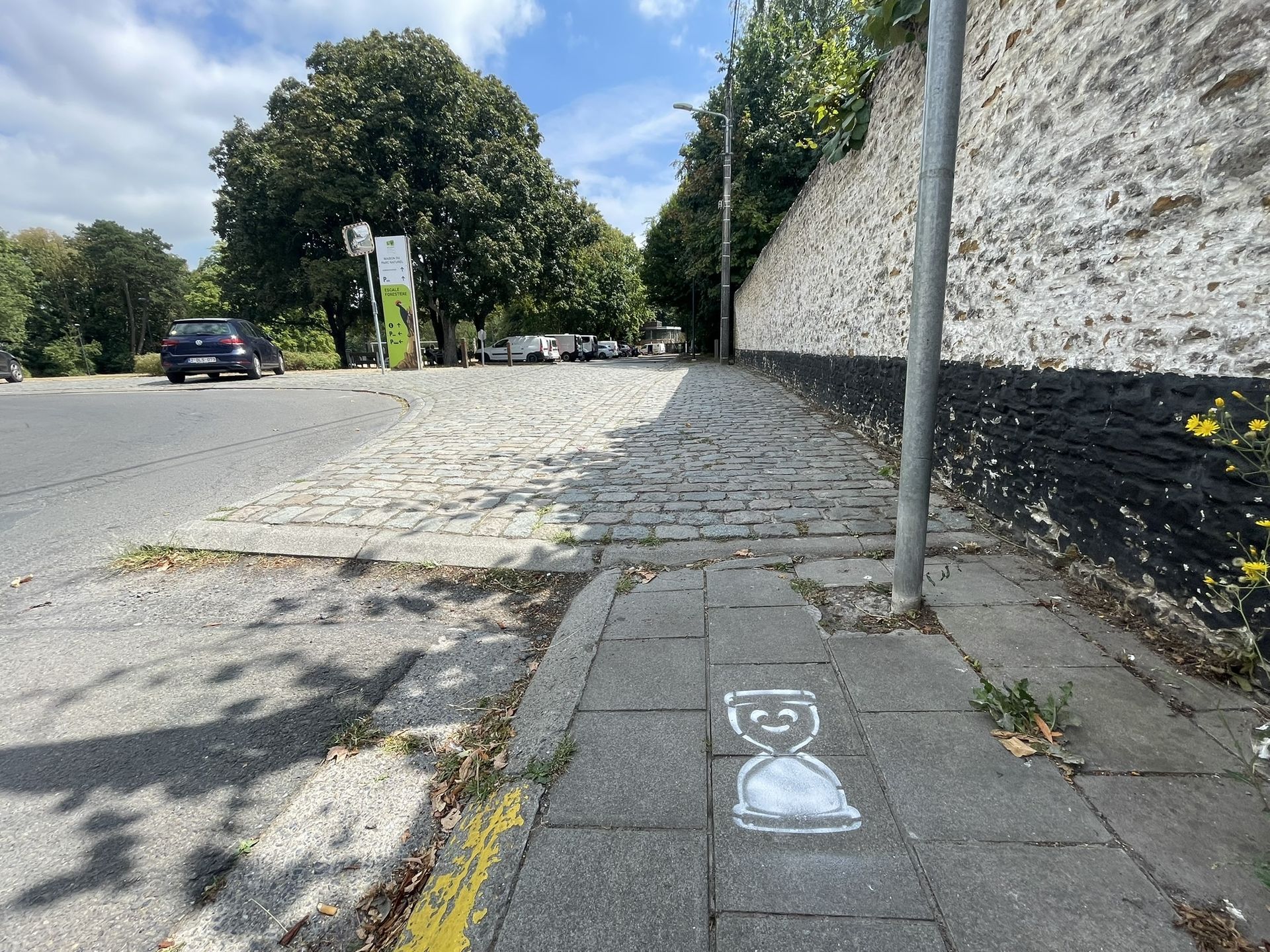
In Condé-sur-l’Escaut, the “compass or hourglass” installation guides visitors from Bon-Secours Forest towards the Escale Forestière in Belgium. The two symbols represent two possible routes : through the forest or through the town. This choice architecture makes the cross-border destination easier to identify while allowing visitors to choose their preferred route.
Finally, along the Sentier de l’eau in Saint-Amand-les-Eaux, footprints create a visual sequence guiding visitors towards the trail. A monumental willow water drop, created by a local artist, marks the starting point. The combination of visual continuity and salience helps make the route easier to find.
These interventions demonstrate how behavioural insights can help nature managers guide visitor behaviour in a positive and non-intrusive way. By encouraging visitors to make more sustainable choices, nudging offers an additional tool to reduce pressure on sensitive environments while maintaining a high-quality visitor experience.
The specifications developed for each intervention also helped translate behavioural objectives into concrete and feasible designs, while optimising their implementation with suppliers, artists and site managers.
Evaluation is currently underway, using quantitative indicators adapted to each natural site and to the behaviour targeted. The aim is not only to measure whether an intervention changes behaviour, but also to identify which approaches are relevant to different visitor-management challenges and contexts.