Within the framework of the MONA project, an important milestone has been reached for Grenspark Kalmthoutse Heide. The design team Overlant and Fugzia has developed a comprehensive and forward-looking vision for sustainable recreation in the park, building on an intensive co-creation process with a wide range of stakeholders.
A collaborative process at the core
The design study is the result of a participatory trajectory that combined on-site explorations, workshops, and working sessions with local partners, experts, and stakeholders. This collaborative approach ensured that the vision is firmly rooted in both the unique landscape qualities of the park and the needs and expectations of its users.
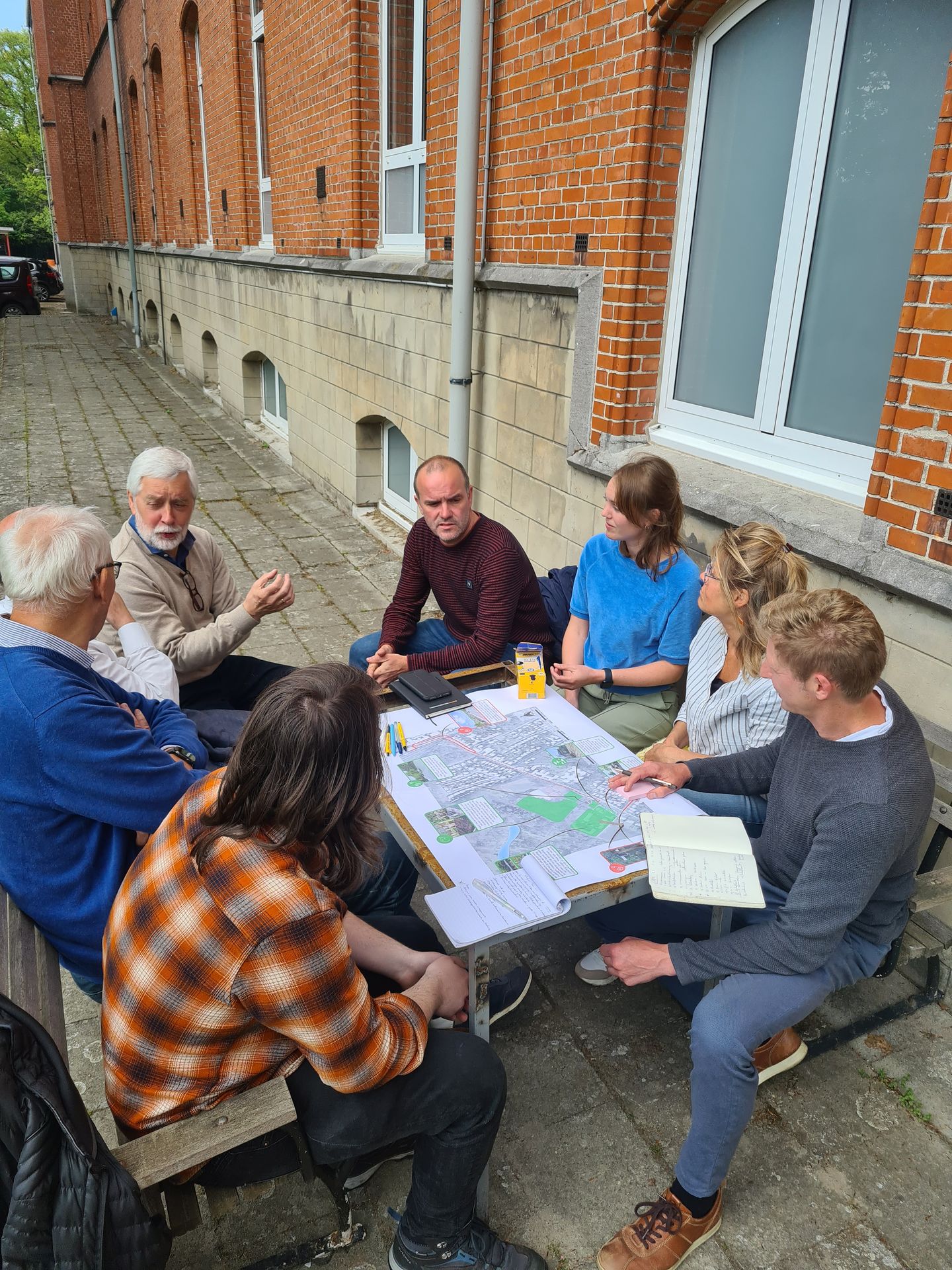
Through this process, challenges were identified, including visitor pressure on specific areas, the need for clearer identity and orientation, and the ambition to promote more sustainable mobility choices. At the same time, the study highlights the exceptional ecological, cultural, and experiential value of the cross-border landscape.
From analysis to a clear spatial strategy
The resulting vision translates these insights into a coherent spatial strategy structured around four main objectives:
- strengthening the recognisability of the park as one unified landscape
- improving the distribution of visitors across the four access gateways
- enhancing sustainable accessibility, with a strong focus on public transport and cycling
- safeguarding the quality and tranquillity of the natural environment
The main principle is not to distribute visitors evenly, but to direct them effectively around the area. By linking experiences to specific gateways and landscapes, the strategy aims to balance visitor flows while protecting sensitive nature zones and stimulating visitors in taking public transport.
The vision also introduces a clear framework for visitor experience, from planning a visit, to arrival, to exploring the park in an intuitive and enjoyable way.
Towards a renewed walking network and clear identity
Grenspark Kalmthoutse Heide is now taking the next steps to implement this vision.
In the coming phase, the focus will be on rethinking the existing walking network. The current, organically grown system will be streamlined into a clearer and more coherent network, combining well-known routes with a broader structure that improves orientation and flexibility for visitors. The walking network will link different mobility hubs, so visitors can hike from mobility hub to mobility hub.
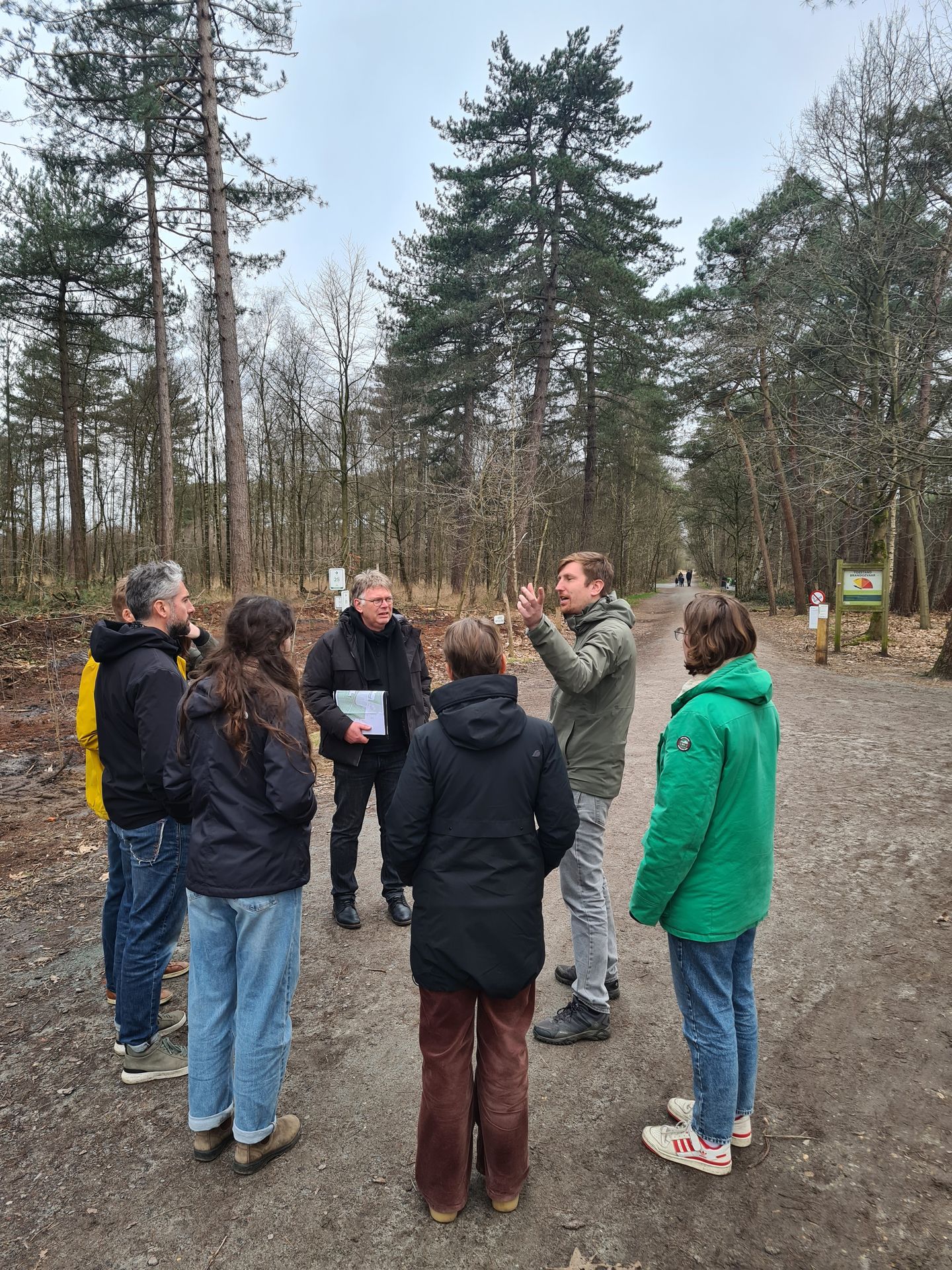
At the same time, a new “signage family” will be developed and produced. This includes wayfinding elements, orientation points, and landscape furniture that share a consistent design language. The aim is to create a recognisable identity across the park, while keeping interventions subtle and in harmony with the natural environment.
Gradual implementation in phases
The implementation of the vision will take place step by step over the coming months and even years. Interventions will be rolled out in phases, allowing for careful integration into the landscape and continuous alignment with stakeholders.
This phased approach ensures that each step contributes to a long-term transformation: towards a park that is easier to navigate, more balanced in its visitor use, and better aligned with the principles of sustainable mobility and nature conservation.